Overview Tab
Prior to British Colonial rule, Malaysia was lead by various empires including the Majapahit, the Srivijaya and the Melaka Sultanate. In the 16th century, the Portuguese established a European colony in Malaysia, the first in Southeast Asia. Later on the colony was overthrown by the Dutch and neighboured by a British colony established on the Malay Peninsula. Under different rules, the Malay Peninsula was split to what today is now the border between Malaysia and Indonesia. Following World War II, in 1957 Malay gained independence from the British and in 1963 Malaysia was established. At this time the country also included Singapore yet after much civil unrest during the sixties, Singapore eventually became separate from Malaysia.
Malaysia has a tropical climate that is susceptible to monsoons and rain is a common occurrence. The north-east experiences monsoonal weather from October to February, while the south-west receives a deluge of rain during April to October. No matter what the season, temperatures in Malaysia hang around the late twenties and early thirties, with humidity measuring quite high. In the highlands however, temperatures are often a lot cooler.
Malaysia’s multi-cultural population has resulted in the country having one of the busiest calendars in the world. Some of Malaysia’s most notable celebrations include Chinese New Year and the Muslim event of Hari Raya Aidilfitri, a celebration that marks the end of the Ramadan fast. The Festival of Lights is another popular event. Also known as Deepavali, the Hindu light festival commemorates the day when Lord Rama, a Hindu deity, returned from a 14 year exile, vanquishing the evil king Ravana. The joyous celebration features feasts and a deluge of coloured lights, lamps and candles, particularly throughout the larger cities.
Air
Kuala Lumpur is Malaysia’s major air travel hub and as a result Kuala Lumpur Airport is one of the largest airports in Southeast Asia. Airlines that fly from New Zealand include:
Flights from Auckland to Malaysia can take around eleven and a half hours. Many airlines stopover in regional Asian transit hubs such as Singapore, Bangkok and Guangzhou before proceeding onto Kuala Lumpur.
Land
Malaysia shares boarders with Singapore, Indonesia, Brunei and Thailand. Each has an accessible border crossing and travel by bus or train is possible in parts.
All Inclusive Resorts
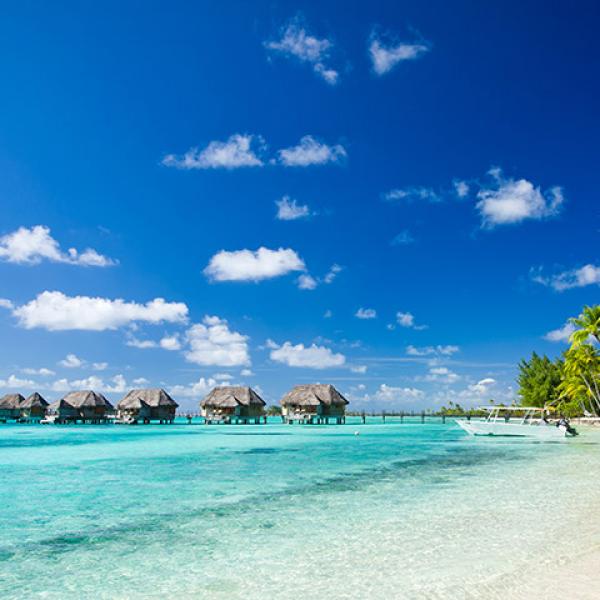
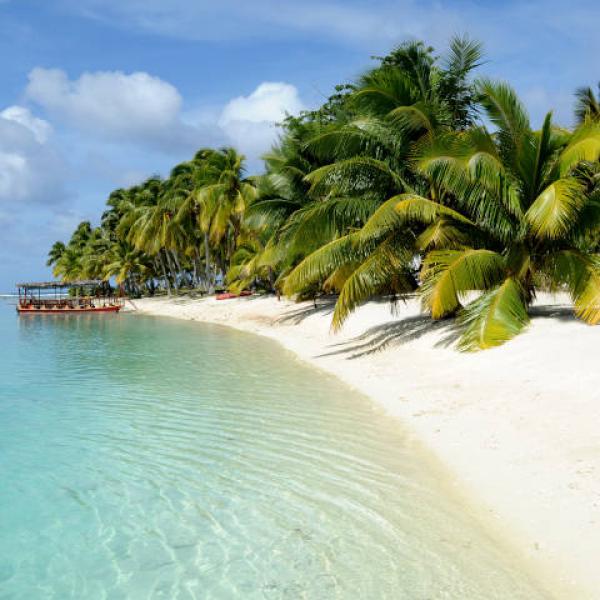
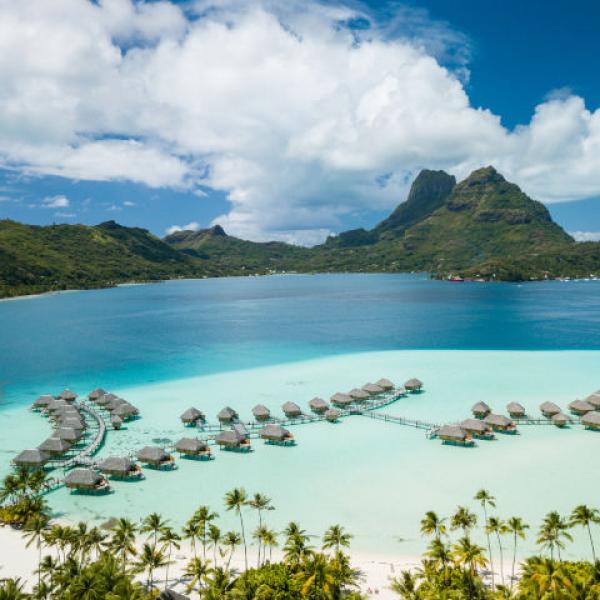
Malaysia’s all inclusive beach resorts lie on pristine beach fronts, hidden behind lush rainforest and overlooking crystal clear waters. Plush surrounds and relaxing spa treatments are signatures for these harmonious retreats, effortlessly blending luxury with nature.
Luxury Hotels
Within the bustling urban metropolis that is Kuala Lumpur lies some of the world’s leading luxury hotel chains. Offering travellers a home away from home, these luxury hotels boast world class amenities and act as a tranquil oasis amongst the chaotic city streets.
To find out more about the range of holiday accommodation available with Travel Associates call 0800 482 776 or enquire online.
Sights to See
When you touch down in Kuala Lumpur the first attraction you visit should be the Petronas Towers. As the world’s tallest twin buildings, the iconic Petronas Towers are KL’s top tourist attraction. You can take a tour of the 88 storey buildings and buy a ticket to cross the bridge that links the towers. Apart from offering a spectacular view, the towers also have an extensive range of shops and restaurants inside as well as surrounding parks and playgrounds outside.
Away from the major cities, Malaysia is chock full of natural wonders. At the top of the list are the large Mulu Caves found in the Gunung Mulu National Park in Malaysian Borneo. The series of limestone caves includes the largest known cave chamber in the world, as well as the world’s largest underground river system. Twenty seven species of Bats call the caves home and depart the cave each night in search of food. Tours timed to watch the bats leave the caves are incredibly popular.
Taman Negara is Malaysia’s most famous national park and one of the oldest rainforests in the world. Located on the Malay Peninsula near the town of Kuala Tembeling, the lush forest is filled with large ancient trees, stunning waterfalls and various jungle treks. See the forest from above on the world’s longest canopy walkways and keep an eye out for some of the park’s endangered wildlife including Asian elephants, rhinos, leopards and tigers.
Don't leave home without...
Pack light clothes, a water proof back pack and a few plastic bags in order to keep dry and clean during your travels. Plastic bags are great for keeping wet clothes or dirty shoes away from clean clothes in your suitcase.
Sun protection and insect repellent won’t always be so readily available outside the major cities. Avoid being caught out and uncomfortable in the hot and humid weather by packing an ample amount and don’t forget to re-apply your sun protection every few hours.
Local Customs
Much of the Malay population are Muslim. In keeping with Islamic traditions, the Malay style of dress is quite modest and includes a scarf or veil. Tourists aren’t expected to wear a scarf, though they should be wary of wearing revealing clothes and always make an effort to dress modestly when visiting religious sites.
When visiting a temple, mosque or shrine, it is customary to remove your shoes before entering.
Things to be careful of…
In public
As a conservative society, public displays of affection or anger are frowned upon in Malaysia. Avoid kissing and hugging in public and always be careful not to lose your cool.
Hands
In Malaysia, touching is not as common as it is in western cultures. When giving or receiving an object or shaking hands, always use your right hand. Pointing with your index finger is considered rude in Malay culture, so always use your thumb when pointing.
Pick Pockets
Like any large city, be weary of pick-pockets, particularly in crowded tourist areas. Always keep your valuables close to you and stay alert.